Zero Bills and a $200 Credit: How Mahmud Electrified His House and Tesla Model Y in Sydney
For clean energy researchers, the core goal of residential electrification is simple: maximize local self-consumption. This means generating solar power on-site, storing it for evening use, and directing the surplus straight into electric transport.
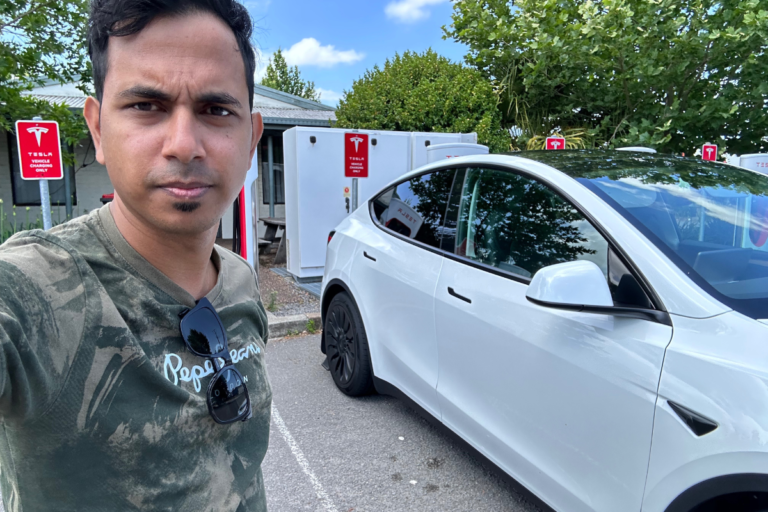
Mahmud, a professional data scientist and environmental scientist residing in the western Sydney suburb, has implemented this integrated approach. Living in an owner-occupied townhouse with a household of 3 people, Mahmud has combined solar power, battery storage, and an electric vehicle (EV) into a highly integrated residential energy ecosystem. Through a combination of scheduled charging, battery-to-grid arbitrage, and Virtual Power Plant (VPP) participation, the household has paid nothing in net retail electricity costs over the past 11 months—instead accumulating a $200 credit.
Household & Property Profile
- Location: Western Sydney, New South Wales (NSW)
- Property Type: Owner-occupied residence
- Household Occupancy: 3 people
- Primary Objective: Minimising electricity and transportation expenditures while transitioning to zero-emission infrastructure.
System Design & Specs
Below is the technical specification of the household’s energy and transport hardware:
| System Component | Technical Details |
|---|---|
| Solar Array Size | Large 11 kW |
| Inverter Size | 10 kW (Single-Phase) |
| Home Battery Brand | Sigenergy |
| Usable Battery Capacity | 32 kWh |
| Primary Battery Strategy | Hybrid solar storage and grid arbitrage (charging during free midday windows) |
| Virtual Power Plant (VPP) | Yes (Actively participating) |
| Electric Vehicle (EV) | Tesla Model Y (2023 Model Year, Purchased Brand New) |
| Home Charging Setup | Dedicated wall charger (7 kW single-phase) |
| Electricity Retailer & Plan | GloBird Energy (Free daily hours plan) |
Daily Operations & Smart Energy Habits
The setup is operated sequentially to align household consumption with solar availability and off-peak grid pricing.
The transition began in phases. Mahmud installed 11 kW solar in 2021. In 2023, he transitioned the household’s primary transport to electric by purchasing a brand-new Tesla Model Y.
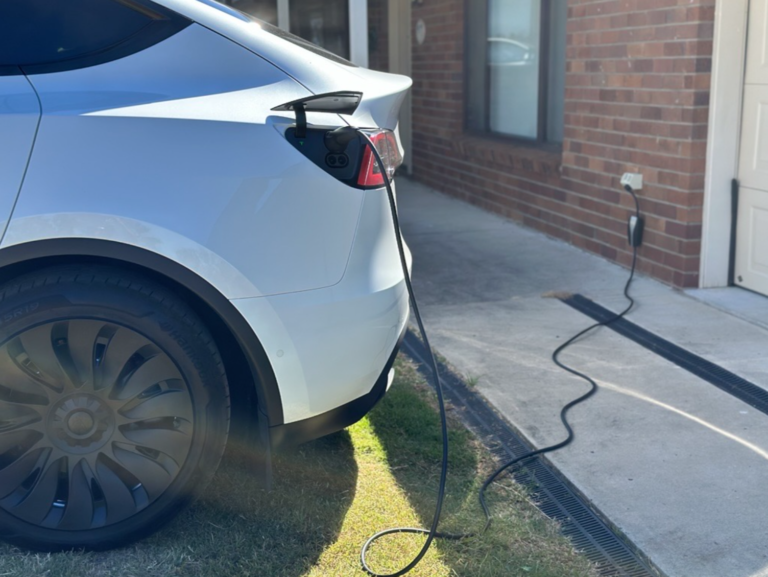
To manage charging costs, Mahmud uses a dedicated 7.4 kW single-phase home wall charger. Instead of charging the vehicle at random, he schedules charging strictly during GloBird Energy’s midday free electricity window (11:00 AM to 2:00 PM) using the Tesla mobile app scheduler. By utilising this zero-cost window, the household draws a combination of excess rooftop solar and free grid power, keeping estimated monthly EV charging costs zero.
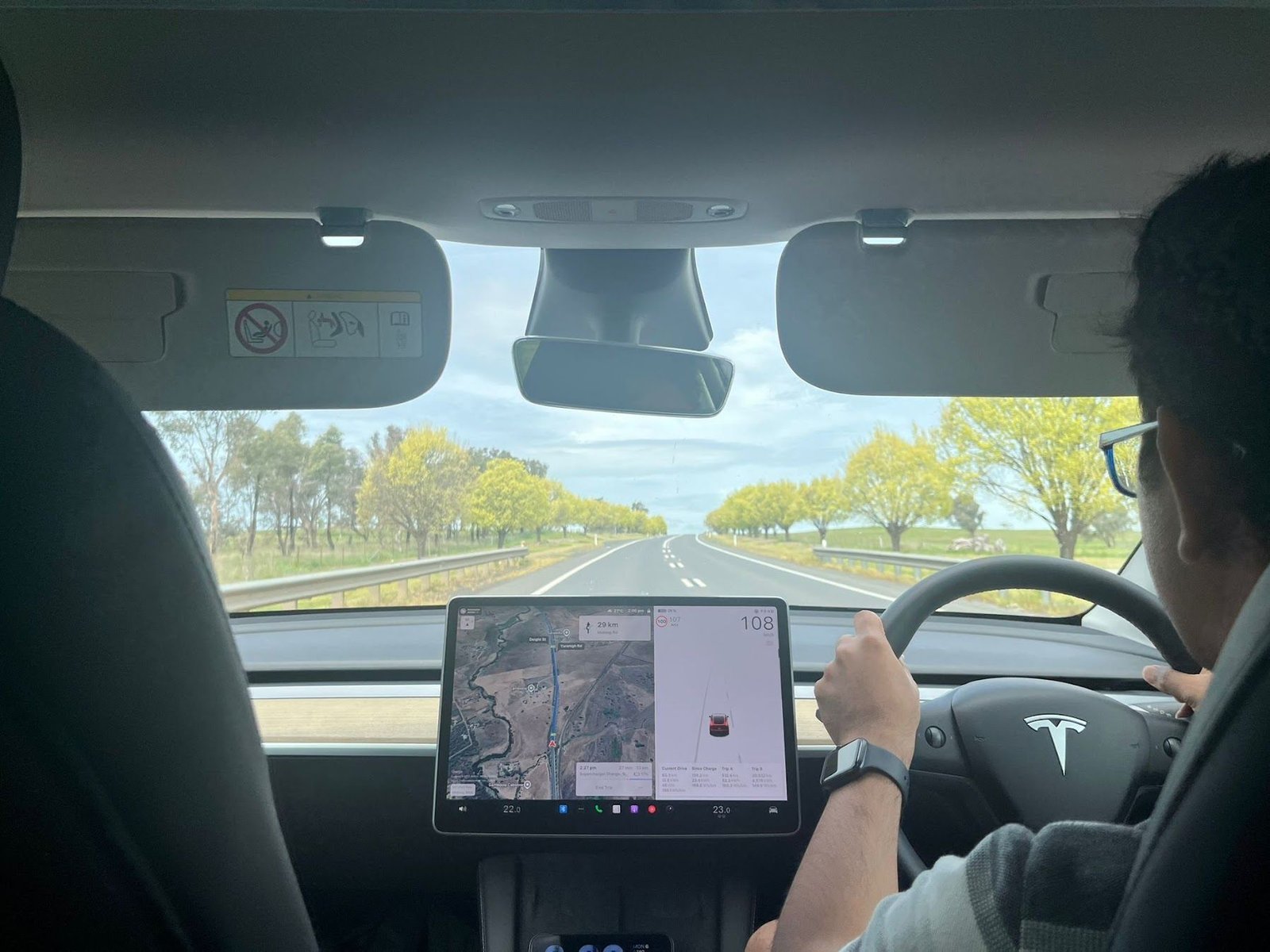
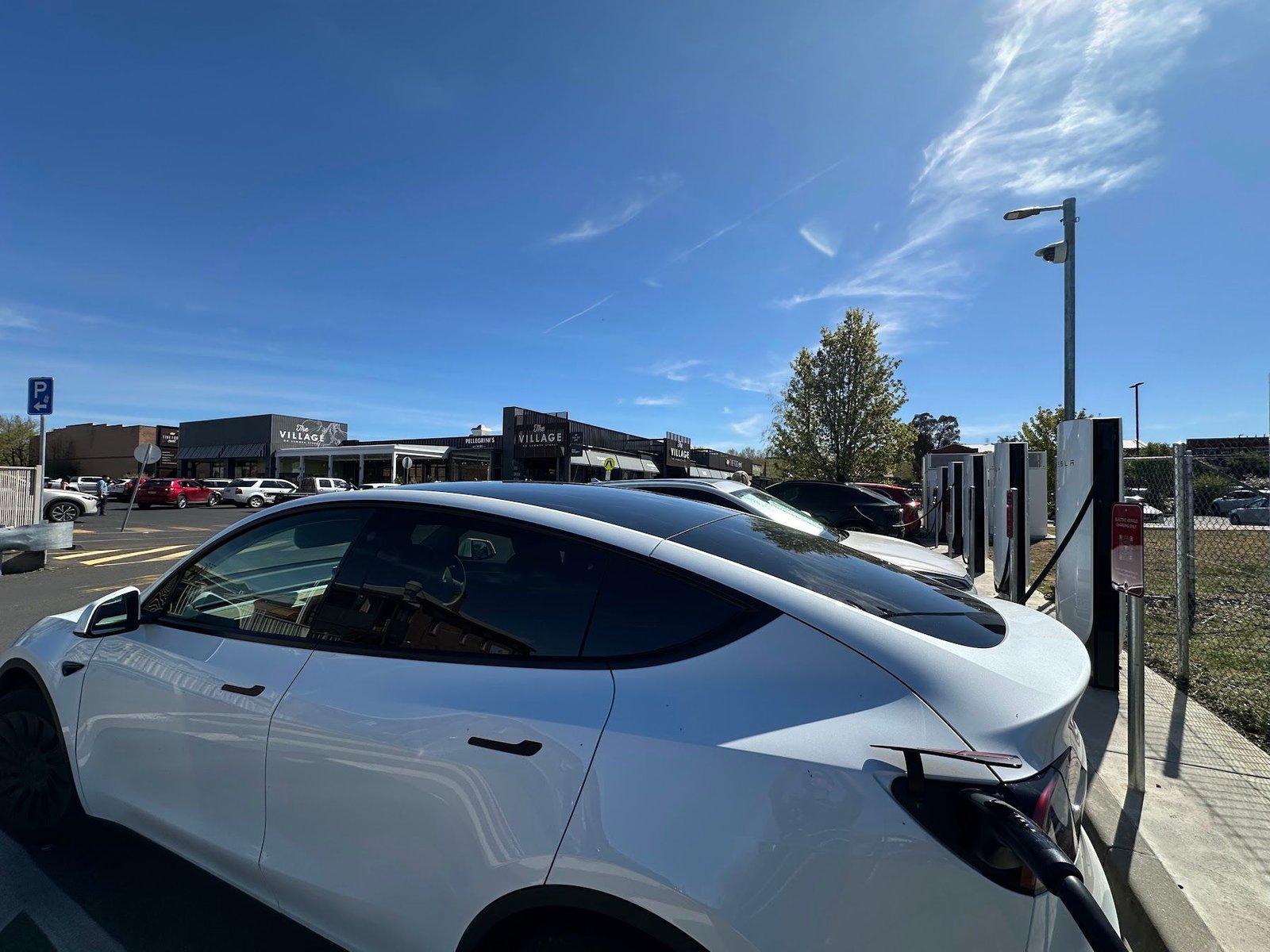
For long-distance travel, Mahmud relies on public DC fast-charging networks a few times a year, averaging a cost of $20 per session. He also documented a long-distance trip from Sydney to Brisbane in 2024, where he did a detailed cost breakdown.
Data from The Australian Electric Vehicle Council Survey indicates that battery longevity and range degradation remain primary concerns for prospective EV buyers. However, Mahmud’s real-world data demonstrates high battery durability: after three years and 39,000 km of driving (averaging 13,000 km per year), the Model Y’s dashboard range at 100% charge sits at 419 km, representing a minor drop of less than 5% from its original 435 km range.
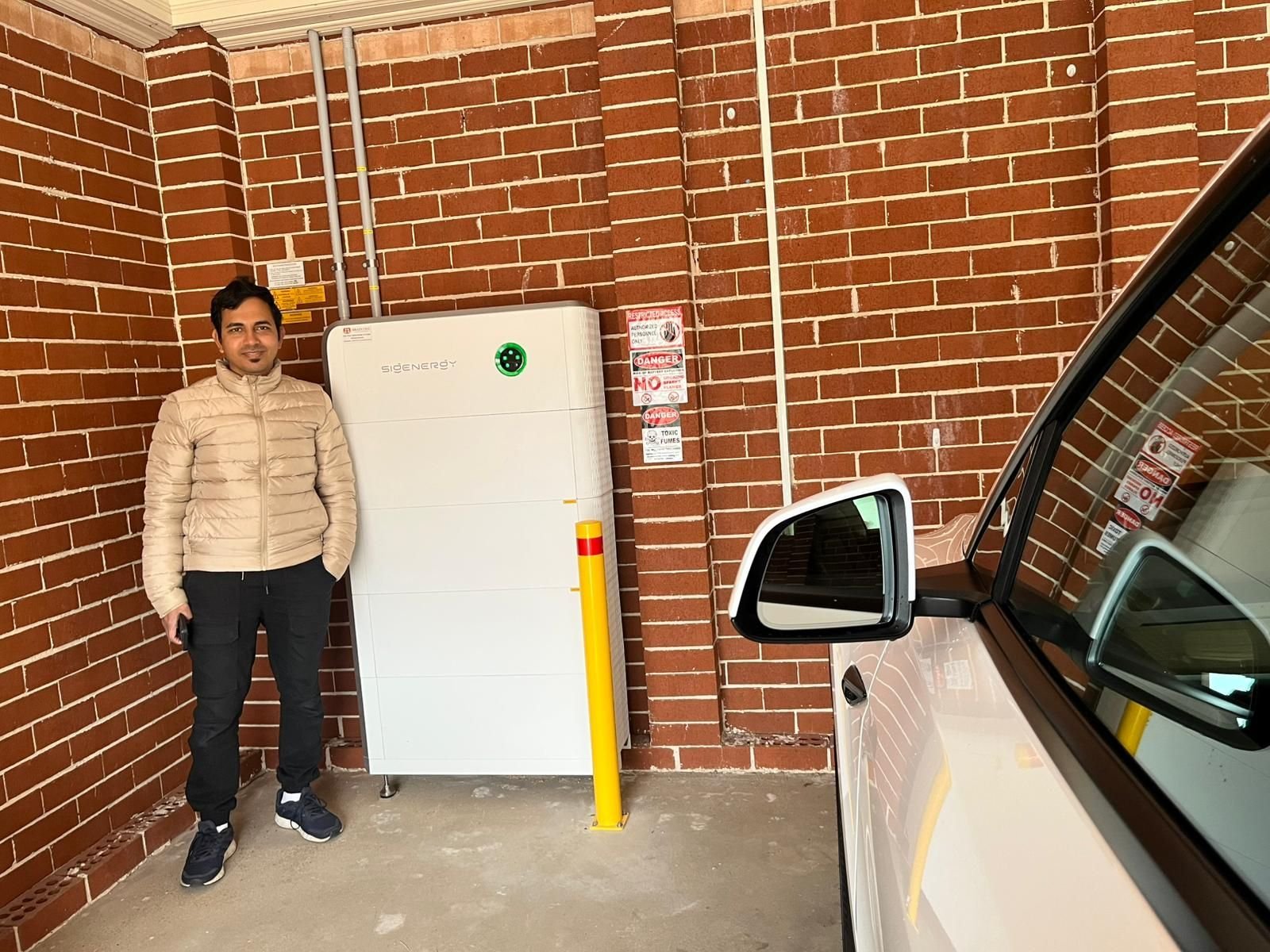
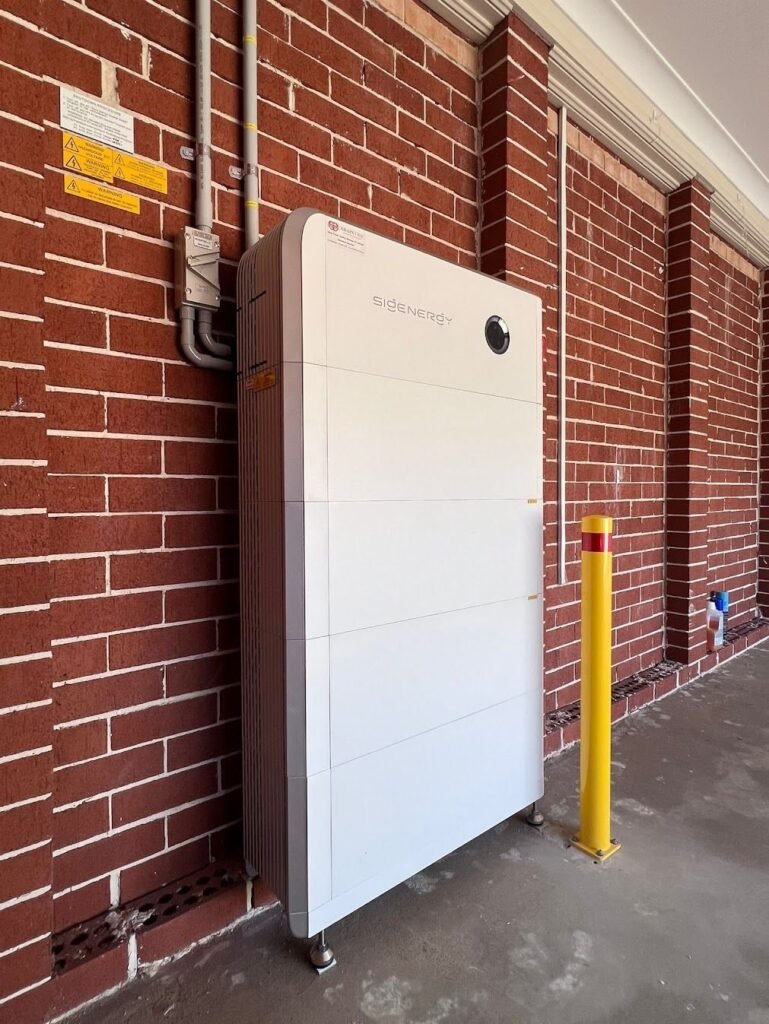
To connect his vehicle and solar array, Mahmud added a Sigenergy battery storage system with a usable capacity of 32 kWh and a 10 kW inverter. The battery runs a hybrid solar storage and grid arbitrage strategy:
Daytime Capture: The battery stores excess rooftop solar, which otherwise would be exported at a low feed-in tariff of 0–2 c/kWh.
Peak Avoidance: The home draws power from the battery during the expensive evening peak periods, avoiding peak grid tariffs.
VPP Participation: By participating in a VPP, Mahmud allows the battery to discharge on average 10 kWh to the grid during peak demand events to support the network and earn premium energy credits which covers daily supply charge and a bit of credit.
Financial Outcomes & ROI Analysis
By integrating home energy and vehicle transport, the household has generated significant compound savings:
- Transport Savings: Mahmud replaced a petrol-powered 2014 Mazda CX-5 which averaged a fuel consumption of 8.0 L/100km. At this rate, the vehicle consumed $30 to $60 per week on petrol, averaging $45/week. This equals an annual fuel spend of:
$45/week * 52 weeks = $2,340/year.
By switching to the Model Y and charging primarily for free, annual EV charging costs are virtually zero, except for occasional long-distance highway trips.
This results in net annual transport savings of:
$2,340 (previous petrol spend) – $0 (EV charging cost) = $2,340/year.
Even with the regular EV specific energy plan, Mahmud might need to pay $20–$40 leading annual $240–$480 for the home charging. - Electricity Savings: A typical household of 3 to 5 people in NSW faces an average annual electricity bill of $1,910 to $2,127. By offsetting grid reliance with solar, battery storage, and VPP participation, Mahmud has eliminated retail electricity costs, saving approximately $2,500/year compared to standard grid bills.
- Payback Period: The total hardware and installation cost for the solar and battery system was kept around $14,000 after utilising the federal Cheaper Home Batteries Program rebate, managed by the Australian Renewable Energy Agency (ARENA).
The payback period is calculated as follows:
$14,000 (Net System Cost) / $3,000 (approximate savings considering EV charging and zero bill) = 4.7 Years.
“I have paid exactly zero dollars in electricity bills for the last 11 months; instead, I have about a $200 credit,” Mahmud shares. “The feeling of energy independence is liberating. I completely forget about power prices fluctuating because I never touch peak grid power. I’m self-reliant. Plus, if a light gets accidentally left on overnight, I don’t panic. The system covers those little human errors at zero out-of-pocket cost.”
Owner Reflections & Policy Recommendations
While the integration has been highly successful, Mahmud notes that several systemic barriers restrict wider adoption. In particular, network export limits imposed by local Distributors (DNSPs) place caps on the amount of solar power homeowners can install or export back to the grid.
To accelerate adoption across Australia, Mahmud advocates for policy reforms:
Upfront Costs: Lowering upfront hardware costs through direct subsidies.
Grid Infrastructure: Modernizing grid networks to support decentralized, distributed energy resources.
Strata Law Reforms: Reforming strata laws to allow apartment and townhouse owners easier access to solar and EV charging infrastructure.
DC Charging Infrastructure: Australia is a vast country, so we need a more robust fast-charging network to ensure people can travel to remote destinations during holiday periods without range anxiety.
Techwheel Editor’s Comment
Mahmud’s clean energy integration provides an instructive blueprint for suburban townhouse electrification. Rather than viewing the rooftop solar, home battery, and electric vehicle as isolated products, the system is designed as a unified energy network.
Two primary design decisions drive the household’s high financial return:
- Proportional Battery Sizing: Typical residential battery installations in Australia hover around 10–13 kWh. While sufficient for basic evening lighting and appliances, they lack the capacity to buffer high-draw loads such as a 7 kW EV wall charger. By opting for a 32 kWh Sigenergy stack, Mahmud creates a multi-day buffer, allowing the home to absorb heavy charging loads without immediately defaulting back to grid power.
- Systematic Grid Arbitrage: With local feed-in tariffs at a low 0–4 c/kWh, traditional solar exporting is no longer economically viable. Mahmud treats the battery as an economic buffer. By pairing GloBird’s free midday hours plan with high battery storage capacity, the household can draw free power from the grid during off-peak periods when solar generation is low, entirely avoiding high evening peak rates.
Transitioning a primary vehicle to EV and charging it primarily from zero-cost energy sources is key to shortening the payback period of a residential battery investment. For suburban houses with similar export limits, Mahmud’s approach demonstrates the feasibility of achieving low reliance on retail grid electricity.
🔋 Got an EV, Solar, or a Home Battery?
Want to show how your setup works like Mahmud? Help us educate the community and support clean energy research in Australia. Take our quick 5-minute survey to share your setup!