A Mountain of Savings in the Blue Mountains: Solar, Battery, and a Used Tesla
⚡ Quick Takeaways
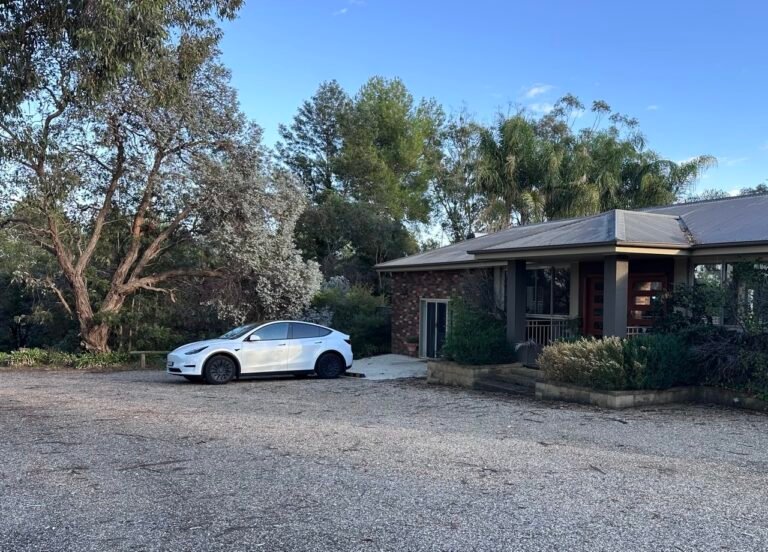
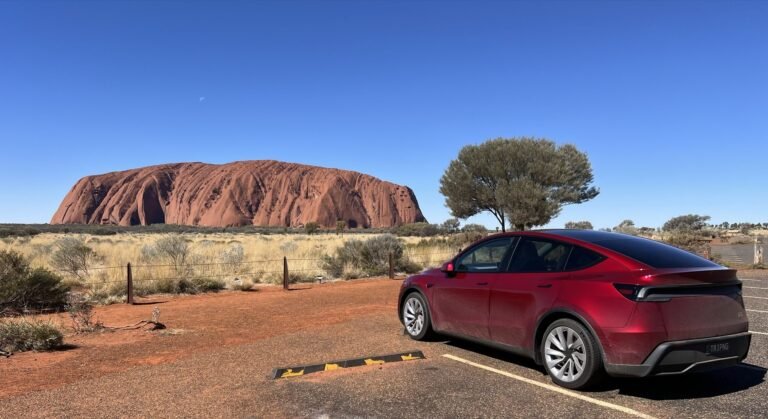
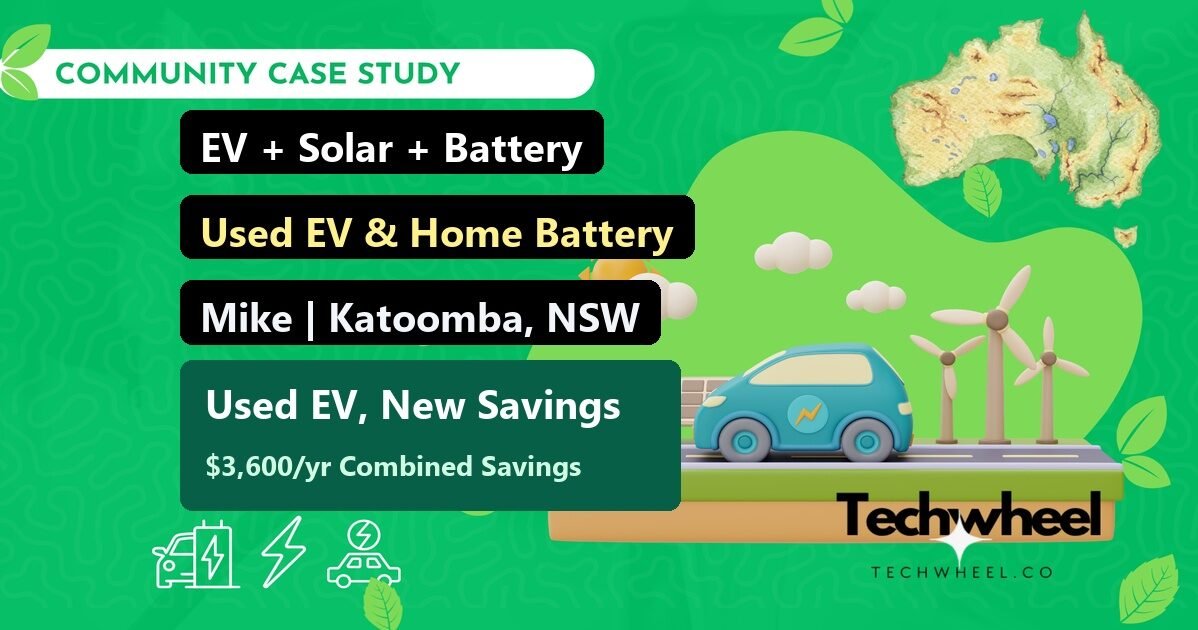
- The Fleet: Proof of happy second-hand EV adoption, swapping an old petrol car for a used 2022 Tesla Model Y purchased for under $45,000.
- The Setup & Strategy: A large 16.5 kW solar array paired with a 27 kWh Sigenergy home battery. This allows overnight charging via a standard 15A garage plug at AGL’s super off-peak rates (~8c/kWh)—bypassing the need for an expensive 32A wallbox.
- Subsidy-Free Savings: Slashed upfront vehicle capital costs purely via the secondary market without relying on any EV purchase subsidies.
- Financial Impact: Reduced net quarterly electricity bills to under $150 and slashed transport running costs to the equivalent of just a few coffees a month, saving approximately $3,600 per year across utilities and transport.
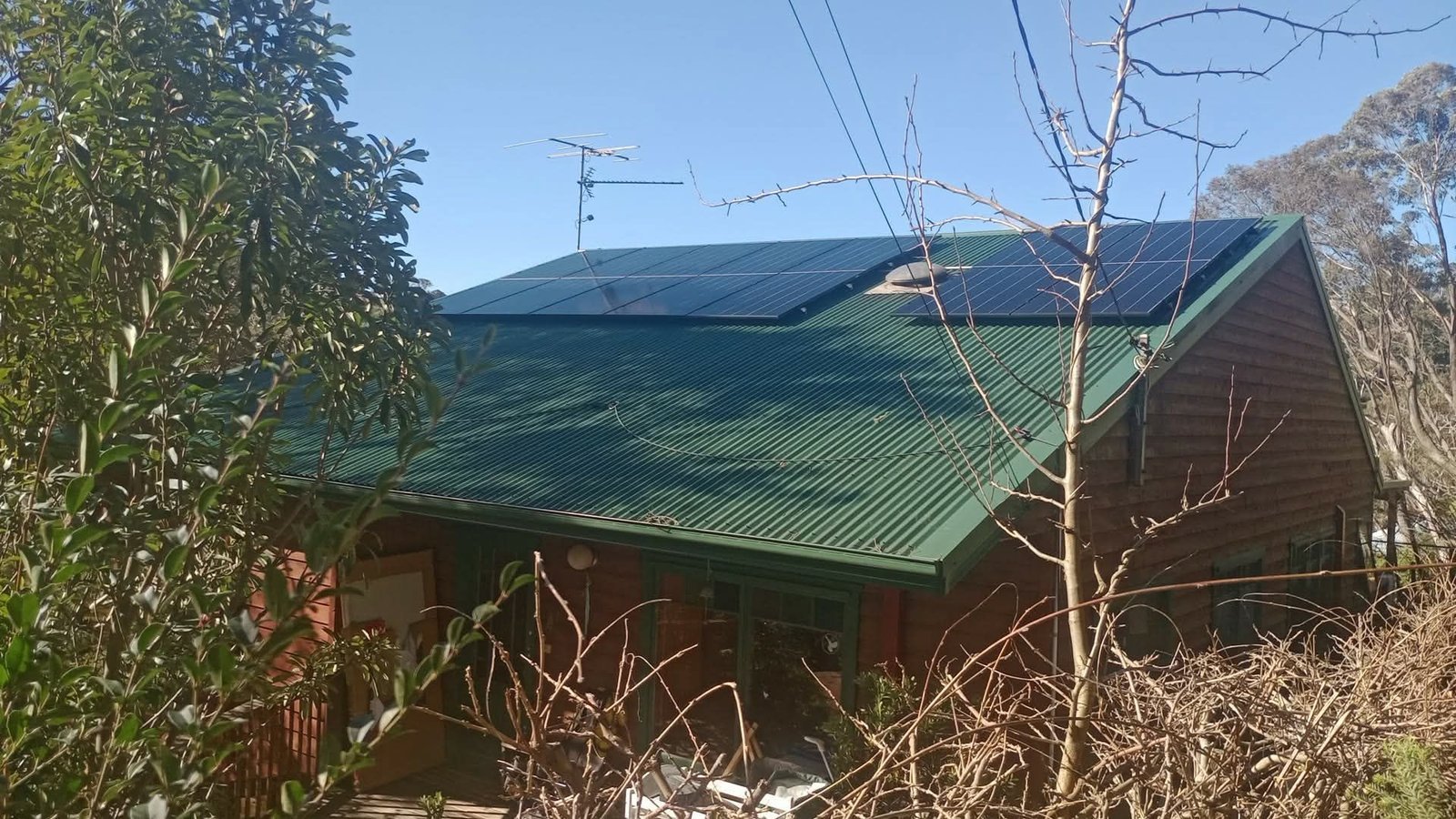
For homeowners in the cooler climates of the Blue Mountains, managing winter heating and summer cooling are significant drivers of household utility bills. Mike, a professional residing in the historic town of Katoomba, NSW, reached a breaking point with soaring retail electricity prices and vehicle fuel costs. Living in a timber standalone home with a household of ~4 people, Mike decided to take control of his energy future by designing a large-scale, self-sufficient clean energy ecosystem.
By combining an expansive rooftop solar array, a high-capacity Sigenergy battery system, and a second-hand Tesla Model Y, Mike has insulated his household from retail price hikes. Today, the family enjoys a net quarterly electricity bill of under $150, saving ~$2,000 annually on grid power while eliminating petrol costs to zero.
Household & Property Profile
- Location: Katoomba, Blue Mountains, NSW
- Property Type: Owner-occupied standalone timber house
- Household Occupancy: ~4 people
- Primary Objective: Shielding the household from high fuel prices and electricity bills through self-sufficiency.
System Design & Specs
Below is the technical specification of Mike’s integrated energy and transport hardware:
| System Component | Technical Details |
|---|---|
| Rooftop Solar Array | Over 16.5 kW System |
| Inverter Size | ~10 kW (Single-Phase Connection) |
| Home Battery Brand | Sigenergy |
| Usable Battery Capacity | ~27 kWh (Installed with federal Cheaper Home Batteries Program rebate) |
| Primary Battery Strategy | Self-consumption with manual winter grid-charging |
| Virtual Power Plant (VPP) | No (Preferred personal control) |
| Electric Vehicle (EV) | Tesla Model Y 2022 |
| EV Acquisition Method | Second-hand purchase (Under $45k) |
| Home Charging Setup | Upgraded 15A wall plug (mobile charger – 3.6 kW) |
| Electricity Retailer & Plan | AGL (EV night rate tariff) |
Daily Operations & Smart Charging Strategy
In the cooler Blue Mountains environment, managing energy baseloads requires smart operational routines. In 2026, Mike replaced his old 2008 Mazda 3 with a second-hand 2022 Tesla Model Y, which had an odometer reading ~70,000 km.
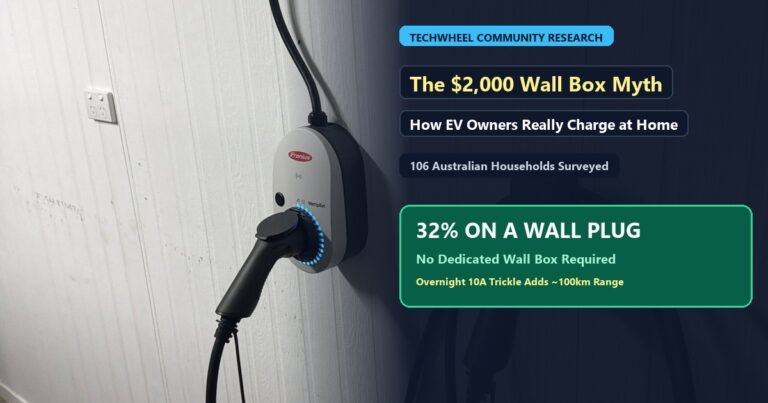
To charge the vehicle, Mike avoided the cost of installing a full 32A wallbox and instead installed an upgraded 15A wall plug in the garage, charging via a mobile connector at ~3.6 kW. Charging is optimised using manual timers to coordinate with AGL’s EV night rate plan:
- Cheap Overnight Charging: Charging is scheduled strictly between 12:00 AM and 6:00 AM, when electricity tariffs are at their lowest off-peak rate of ~8 cents per kWh.
- Midday Top-Ups: On sunny days, the vehicle is plugged in to directly capture generation from the large 16.5 kW solar array.
With an annual mileage of ~15,000 km (mostly urban/local driving), home charging keeps Mike’s monthly EV charging bills between $20 and $50. Beyond the daily commute, Mike feels that long-distance road trips and range anxiety are completely “planned & manageable”, even though he rarely needs to use public DC fast-chargers away from home.
When he is on the road, Mike is an active user of Tesla’s driver-assist features, noting that he uses them regularly and trusts them. Additionally, maintaining the vehicle has proven to be “somewhat cheaper” with modest savings compared to his previous petrol car. Even after accumulating significant mileage, the Model Y’s battery health remains excellent, maintaining a current 100% dashboard range of 406 km, which represents a minor (<5%) drop from its factory-fresh real-world baseline.
Proving that second-hand adoption doesn’t mean compromising on the ownership experience, Mike gives his EV a perfect 5 out of 5 satisfaction rating and declares an absolute refusal to ever go back to petrol. Even better, his seamless transition is actively dismantling local skepticism, inspiring neighbors and friends to look into making the switch.
Storage Operations & Peak Avoidance
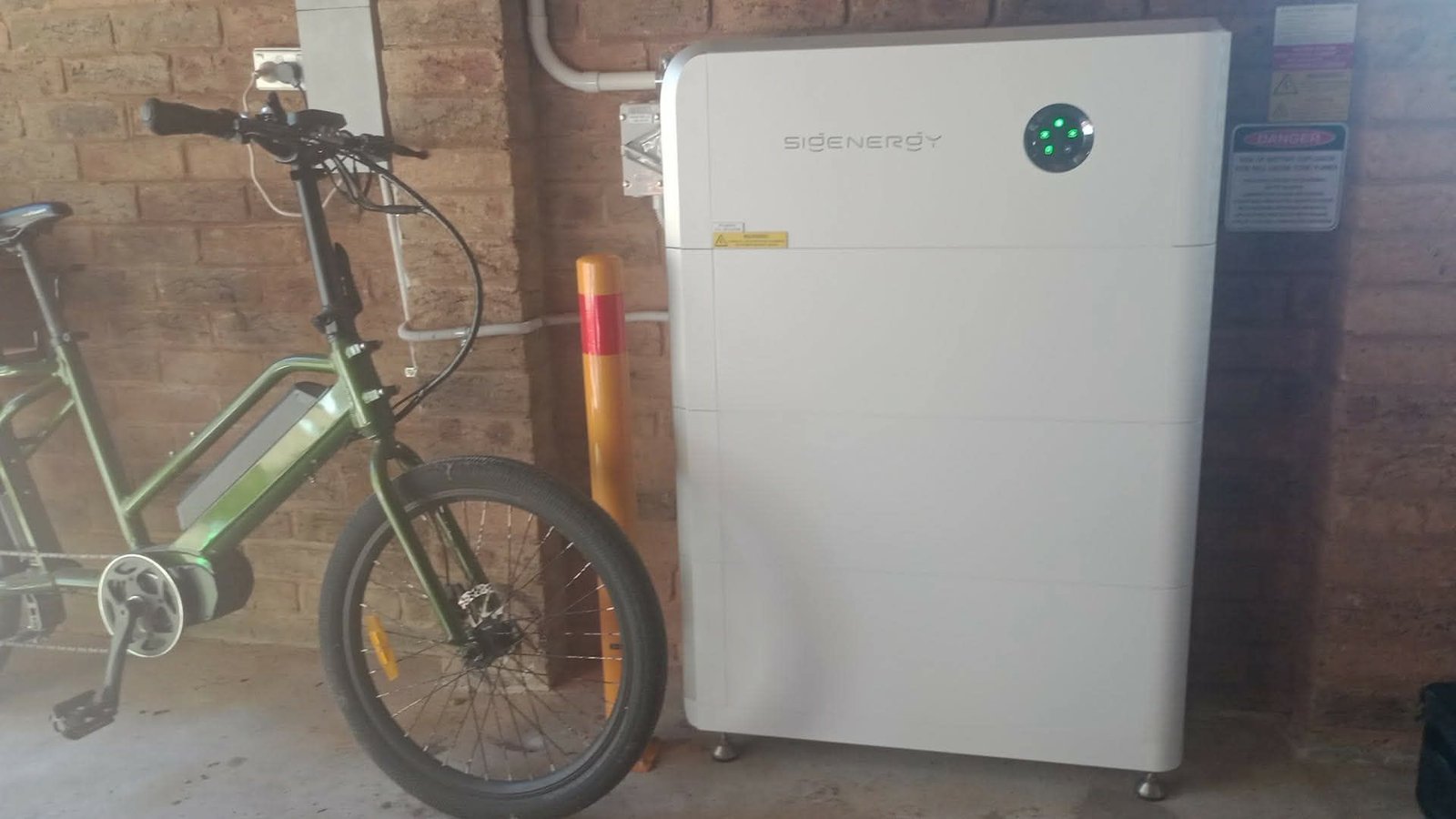
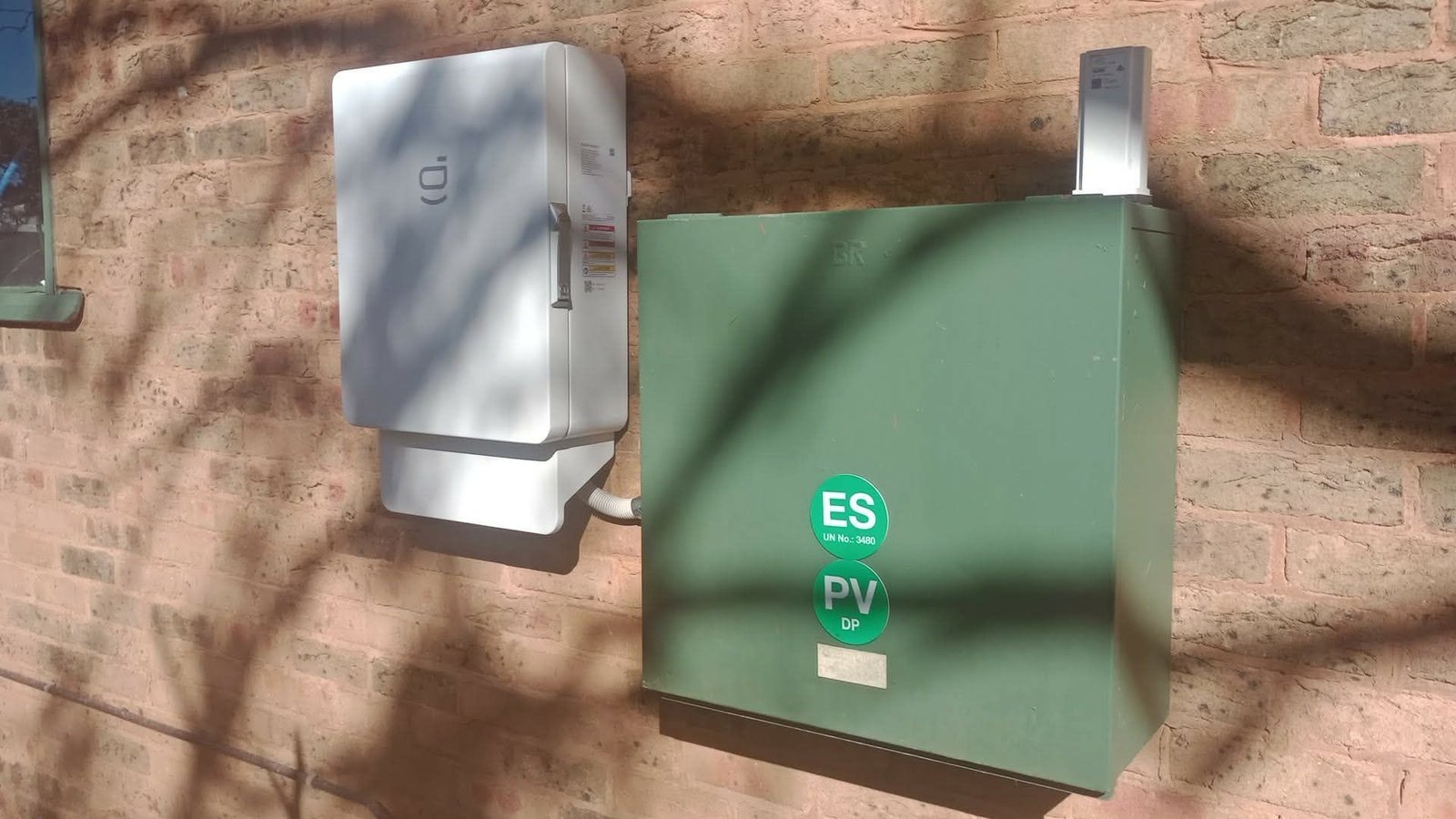
To store the generation from the 16.5 kW solar array, Mike installed a Sigenergy battery stack with a usable capacity of ~27 kWh. Mike utilized the federal government’s Cheaper Home Batteries Program rebate to help offset the upfront cost.
The battery runs a self-consumption solar shifting strategy, storing excess daytime solar generation (which would otherwise be exported at a low feed-in tariff of 1–4 c/kWh) to run the home during peak evening pricing. This large battery buffer allows the family to run high-load appliances without concern:
“Not worrying about using the reverse cycle air conditioners to heat/cool, not worrying about what time of day I’m using electricity.”
— Mike
Mike prefers personal control and chose not to join a Virtual Power Plant (VPP), preferring to use his own battery storage to optimise household economics directly.
Financial Outcomes
By integrating solar, battery storage, and a second-hand EV, the household has achieved substantial savings across both transport and utilities:
Transport Savings: The previous 2008 Mazda 3 consumed an average of 9 L/100km of petrol. At an average weekly petrol spend of $30 to $60 (midpoint of $45/week), the Mazda 3 cost the household:
$45/week * 52 weeks = $2,340/year.
By switching to the Tesla Model Y and charging off-peak, annual EV charging costs are estimated at $240 ($20/month). This represents a net annual transport saving of:
$2,340 (Mazda 3 fuel cost) – $240 (Tesla charging cost) = $2,100/year.
Electricity Savings: A typical household of 3 to 5 people in NSW faces an average annual electricity bill of $1,910 to $2,127. By offsetting peak grid draw with solar and battery shifting, Mike has reduced his net electricity bill to under $150 per quarter, saving approximately $1,500/year compared to standard grid bills.
The total investment for the solar and battery system was ~$25,000 after utilising the federal battery rebate. Mike is saving approximately $3,600 annually by reducing his car charging expenses to the equivalent of a few coffees a month, and maintaining a near-zero electricity bill thanks to his home battery setup.
Owner Reflections & Policy Recommendations
While Mike’s transition has successfully insulated his household from soaring bills, he believes targeted structural changes are needed to help the broader community, particularly by continuing to provide support for lower upfront hardware costs through direct battery rebates.
When asked about the single most critical lever needed to speed up clean energy adoption across Australia, Mike pointed decisively to one main priority:
Expanding Public Fast-Charging Networks: Scaling up reliable public charging infrastructure, especially in regional corridors and tourist destinations is paramount to building driver confidence and unlocking widespread adoption.
Future Outlook: For Mike, the clean energy transition is an ongoing journey. His next planned upgrade is to tackle household gas usage by switching to a heat pump or other electrification alternatives.
🔋 Got an EV, Solar, or a Home Battery?
Your participation helps grow our community and supports vital clean energy research in Australia. Share how your setup works to help educate others. Take our quick 5-minute survey today!
Techwheel Editor’s Commentary
Mike’s Katoomba installation is a great example of the financial returns possible when pairing rooftop solar and home batteries with a second-hand EV.
Capital Cost Reduction via Used EV Market: By purchasing a used 2022 Tesla Model Y for under $45,000 instead of a new one, Mike bypassed steep depreciation while securing a high-capacity ~60 kWh battery pack with excellent longevity. This significantly lowers the payback entry cost of vehicle electrification.
Standard 15A Trickle Charging: Sizing the charging equipment to a standard 15A wall plug (~3.6 kW) avoided the cost of a dedicated fixed wall charger. Charging slowly during cheap early morning hours (12:00 AM to 6:00 AM) safely spreads the load and maximises AGL’s EV saver night rates and it gives Mike over 100km range overnight.
VPP Participation Potential: With a 27 kWh battery capacity and a highly optimised household baseline, Mike is perfectly positioned to evaluate VPP participation in the future. Joining a VPP could allow him to capitalise on premium feed-in tariffs in the evening peak demand period, while leveraging plans that offer free midday energy windows to top up his battery buffer on cloudy days.
For a standalone houses facing high heating/cooling loads, Mike’s integrated approach demonstrates that smart hardware choices can achieve grid independence without expensive structural upgrades.