A Third of Australian EV Owners in Our Survey Charge From a Normal Power Point
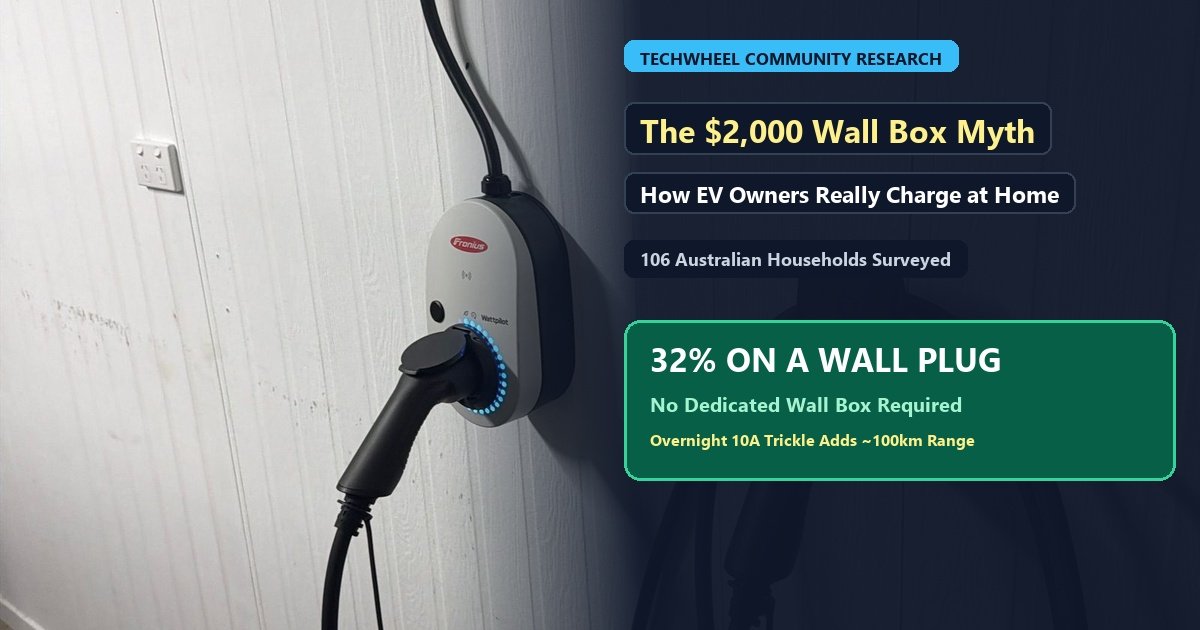
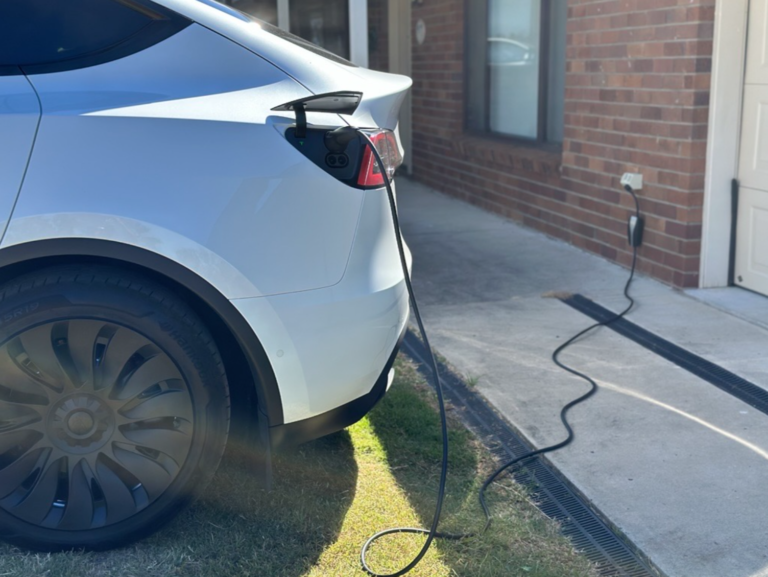
A third of Australian EV owners in our survey charge from a normal power point — the same socket that runs a kettle. No wall box. No $2,000 install.
One owner in Yanchep put it simply: “Driving 100km a day is possible on just a standard PowerPoint. No charger install required.”
That single line captures the finding that surprised us most. Of the 106 EV owners in the Techwheel community survey, 32% charge from a regular 10-amp wall socket. The same plug that runs a kettle. Only 43% have installed a dedicated 7kW wall box.
Nobody in either group is doing it wrong. Both groups get to work every morning. They just spend wildly different amounts of money to do it, and the gap is where the real story sits.
⚡ The story in numbers
- Wall-plug owners: 34 of 106 EV owners (32%) charge from a standard 10A socket
- Dedicated wall box: 46 owners (43%) — and 64% have some fixed charger
- Typical bill: 76% of wall-plug owners pay under $50 a month; three pay nothing at all
- Public charging: 93% rarely or never use a public DC fast charger
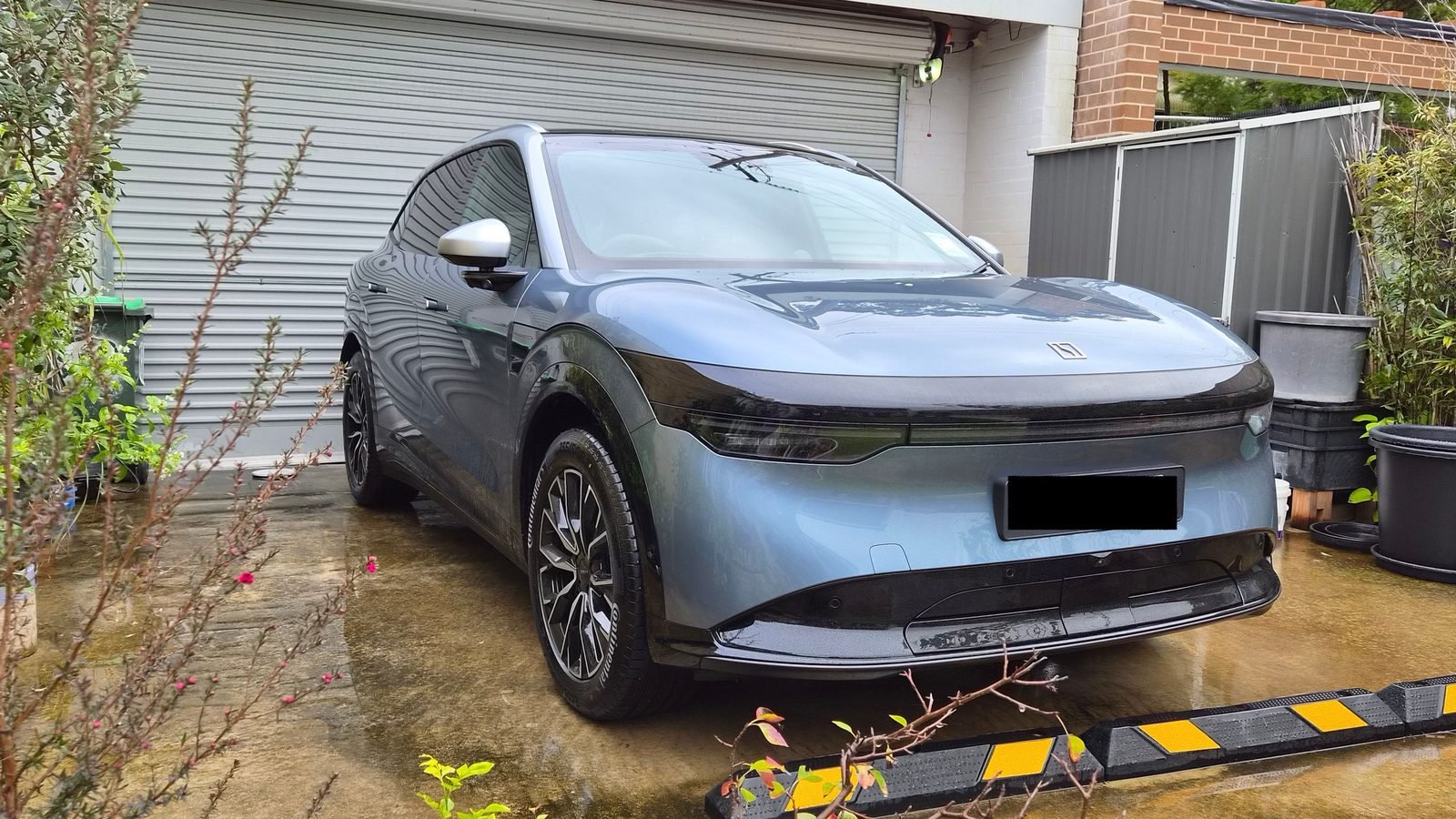
The numbers at a glance
Out of 106 EV owners, exactly one has no way to charge at home. Everyone else plugs in somewhere on their own property.
Wall-plug charging is not a compromise for the people doing it. Look at what the 34 respondents told us:
26 of 34 (76%) pay under $50 a month to charge their car.
19 of 34 (56%) pay under $20.
Three pay nothing at all.
Nine of them run entirely on rooftop solar.
Now compare the whole survey. Across all 106 EV owners, 58% charge for under $20 a month and 86% stay under $50. The wall-plug crowd tracks right alongside them.
How far does an overnight trickle get you?
A standard Australian power point runs a car charger at about 2.4kW — that’s 10 amps at 240 volts. Plug in before bed, unplug at breakfast, and you’ve had eight hours.
2.4kW × 8 hours = 19.2kWh drawn from the wall. Allow roughly 10% for losses in the charger, and about 17kWh lands in the battery. A modern EV might use somewhere around 14 to 17kWh per 100km. So an overnight charge can add around 100km of range, depending on the vehicle and charging losses.
The average Australian car covers about 15,000km a year — call it 40km a day. Your overnight trickle covers that two and a half times over. That’s the whole trick. For a driver covering typical daily distances, an EV charged on a normal socket every night can skip the petrol station and rarely need a public charger.
Then why does anyone buy the $2,000 box?
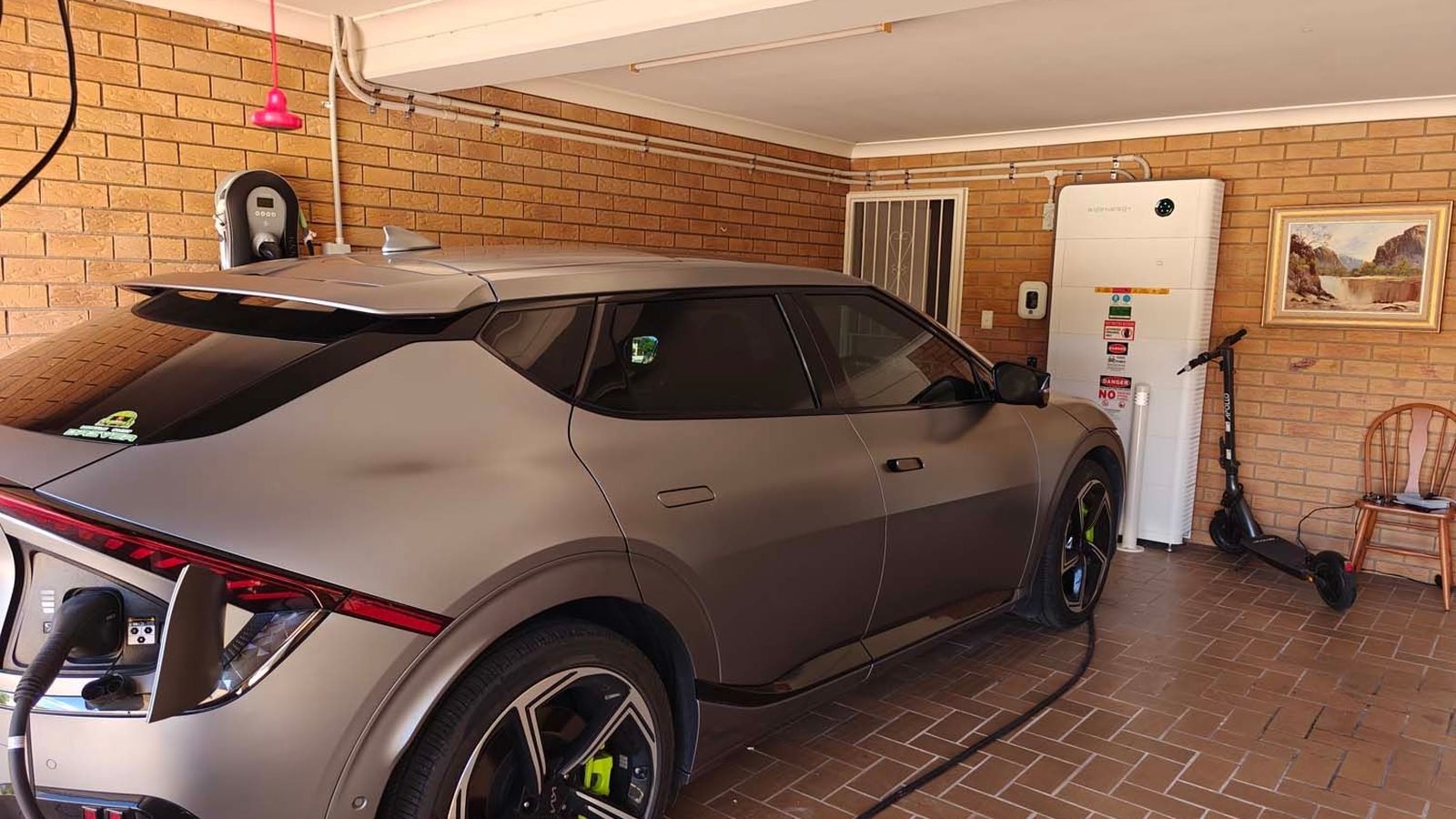
Fair question. Plenty of people should. A dedicated 7-11kW wall box usually costs $1,500 to $2,000 installed, depending on how far the cable has to run and what your switchboard looks like. For some households that money is easy to justify:
You drive long distances most days. 200km a day on a 10-amp plug means constant topping up. A wall box makes it a non-event.
Your battery is big. A 100kWh pack from near-empty on a 10-amp plug takes the better part of two days.
Two EVs, one power point. Sharing a trickle between two cars doesn’t work.
You want the safety headroom. More on that below.
In our sample, 21% went straight to a three-phase 11kW or 22kW charger. Add those to the standard wall boxes and a solid 64% of EV owners do have a fixed charger bolted to a wall.
A safety note that matters more than the savings
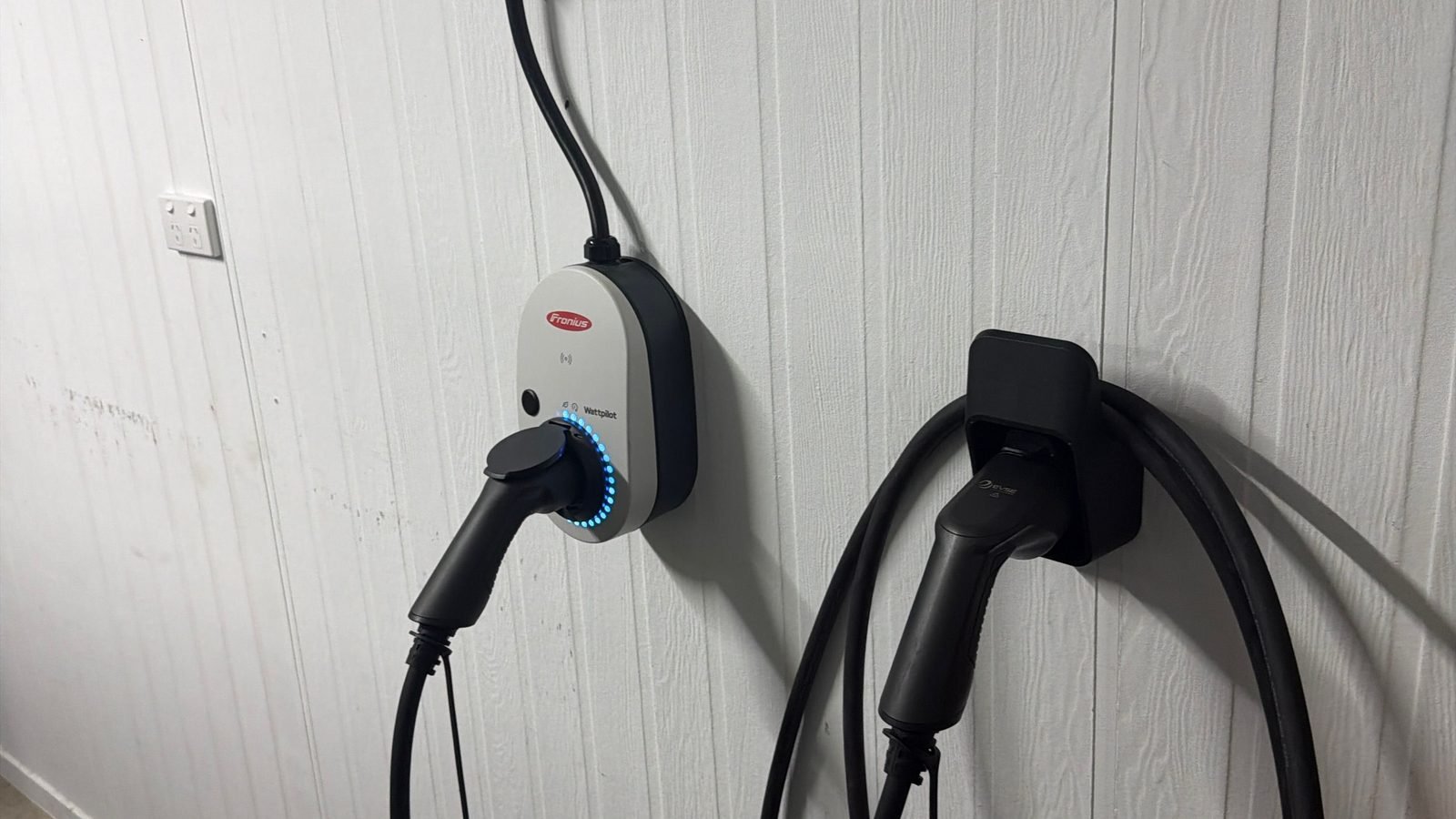
Running 10 amps for eight to ten hours is a real load. Old wiring often doesn’t cope — electricians regularly find warm sockets, scorched plugs and melted power points when a trickle charger sits on an ageing circuit.
Do this much. Have a licensed electrician check the circuit. Prefer a dedicated circuit if possible. Never use an extension lead or double adaptor. If the plug feels warm while charging, stop immediately. With those checks in place, 10A charging is practical and safe. Without them, it isn’t.
The other surprise: almost nobody uses public chargers
Here’s a number that challenges one of the biggest concerns people have about EVs. 93% of EV owners rarely or never touch a public DC fast charger. Eighty-two use one a few times a year, usually on a road trip. Seventeen have never used one at all. One person charges in public every week.
The fear goes something like this. What if I buy an electric car and spend my life queuing at a charger? The answer from the owners in our survey is simpler than that. The car drinks from the wall at home, and the public network is a road-trip tool. Not a weekly chore.
A 30-second test before you spend a cent
Ask one question: how far do you drive on a normal day?
Around 50–80 km? A standard wall plug will usually cover it overnight. Even 100 km is often fine with an efficient EV and a full night on charge.
150 km or more, or frequent long weekend trips? A 7 kW wall box (or a cheaper 15-amp circuit) starts to make sense.
Start on the plug. Upgrade only if your driving demands it. There’s no penalty for waiting.
What this means if you’re weighing it up
If you’re buying your first EV, you don’t need to budget for a wall charger on day one. Charge from a power point for a month and see how it fits. For many people with a driveway or garage socket, that may be all they ever need. Drivers covering long distances each day will quickly notice when the overnight recovery falls short.
There’s a blunt version of this advice from a Melbourne respondent, and it’s hard to argue with.
“You can charge an EV with just a normal power point, and 200km is stacks of range for city driving.”
Where these numbers come from
The Techwheel community survey collected 122 responses from Australian households in July–August 2026. Of those, 106 own an EV — every figure in this article comes from that group.
This is an early-adopter sample, not a random national slice. Most respondents live in detached houses they own, and half have solar systems larger than 11 kW. The numbers therefore reflect people who have already worked out home charging in practice, not the average Australian household.
A wall charger is not a status symbol and a power point is not a shortcut. Both charge the car. Choose the one that matches how far you actually drive.
Photos were supplied by survey contributors and used with permission. All figures were cross-checked by Techwheel editors.
Got an EV, solar or a home battery?
Share your real-world setup in the Techwheel community survey — it takes about five minutes and powers free, independent research for Australian households.